
In the fast-paced world of startups, speed is everything. Every day counts when you’re building a product that could change the game. For founders, the ability to move quickly from idea to execution can make or break success.
According to CB Insights, founders who deliver their minimum viable product within 60 days achieve 2.5x faster fundraising. This isn’t just about meeting deadlines—it’s about proving your vision to investors and users alike.
At Emveep, we’ve crafted a proven framework to help you navigate this critical phase. From validating core problems to integrating advanced features, our strategy ensures your product is built to scale. Let’s turn your vision into reality, together.
Ready to get started? Reach out to us at info@emveep.com and let’s make it happen.
What Is an AI MVP and Why It’s Essential for Your Business
In today’s competitive landscape, businesses need to innovate faster than ever. An AI MVP (minimum viable product) is a powerful tool to achieve this. It’s a functional version of your product that solves one real user problem using AI. This approach allows you to gather feedback, secure funding, and refine your idea efficiently.
Defining an AI MVP
An AI MVP is not just a prototype. While traditional prototypes are like bicycles—simple and functional—an AI MVP is more like a Tesla. It’s advanced, focused on solving a specific core problem, and designed to evolve based on real-world interactions. The goal is to learn quickly, not to achieve perfection.
The Role of an AI MVP in Modern Business
AI MVPs play a crucial role in modern business development. For example, a healthcare startup created a HIPAA-compliant MVP to secure internal funding. By focusing on one key problem, they reduced upfront costs by 30-50% and de-risked their investment.
Here are four key benefits of an AI MVP:
- Validation: Test your idea with real users.
- Accelerated Learning: Gather insights to refine your product.
- Investor Readiness: Demonstrate potential to secure funding.
- User-Driven Roadmaps: Build features based on actual needs.
By focusing on solving one problem well, an AI MVP sets the foundation for long-term success. It’s not just a product—it’s a strategy for growth.
Why Founders Are Choosing AI MVPs to Validate Ideas
For founders, validating ideas quickly is a game-changer in today’s tech-driven world. Startups that embrace AI MVPs can test concepts efficiently, reducing risks and accelerating their path to success. This approach is not just about speed—it’s about smart execution.
Reducing Risk with Minimal Investment
Building a full-scale product without validation is a risky move. According to Atomic Object, 33% of founders miss their first launches due to poor planning. An MVP allows you to test your idea with real users while keeping costs low.
For example, fintech startups often spend $100K+ on full builds. In contrast, an MVP can cost between $10K-$35K, significantly reducing financial risks. This lean approach ensures you invest only in what truly matters.
Accelerating Time-to-Market
Time is a critical factor in startup success. With an MVP, you can iterate 4x faster using tools like OpenAI’s pay-per-use API model. This flexibility allows you to refine your product based on real-world feedback.
No-code workflows, such as Zapier + OpenAI, enable non-technical founders to validate ideas quickly. This approach democratizes development, making it accessible to all.
Data shows that MVPs with 10+ paying users achieve 68% higher Series A valuations. By focusing on core features, you can demonstrate potential to investors and secure funding faster.
Choosing an MVP is not just a strategy—it’s a pathway to success. It allows you to validate your idea, minimize risks, and accelerate your time-to-market. Ready to take the next step? Let’s turn your vision into reality.
Understanding the Timeline: 8-12 Week Plan to Ship a Production‑Ready AI MVP
Balancing speed and quality is critical for startup success. A structured approach ensures your product meets market needs while minimizing risks. We’ve designed a proven framework to help you deliver a functional MVP in just 8-12 weeks.
Why 8-12 Weeks Is the Sweet Spot
This timeframe strikes the perfect balance between speed and thoroughness. According to McKinsey, proper discovery phases reduce budget overruns by 45%. By focusing on core features, you can validate your idea without unnecessary delays.
For regulated industries, a 12-week approach ensures compliance. Non-regulated sectors often thrive with an 8-week plan. Both timelines prioritize efficiency and execution.
Key Milestones in the Development Process
Our framework breaks the process into three phases:
- Discovery (2 weeks): Define the problem and user journey.
- Development (4 weeks): Build and integrate essential features.
- Testing (2 weeks): Use DORA metrics to ensure quality.
For example, a hospital group delivered a HIPAA-compliant MVP in just 45 days. By leveraging tools like React, FastAPI, and Supabase, they achieved a 30% faster timeline.
We also use the MoSCoW prioritization matrix to triage features. This ensures your roadmap aligns with user needs and business goals.
Weeks 1-2: Sharpening Your AI Idea
The foundation of any successful product lies in a clear and focused idea. During the first two weeks, we help you refine your concept to ensure it aligns with real user needs. This phase is about identifying the core problem and mapping the journey your users will take.
Identifying the Core Problem
Every great product starts with solving a specific problem. We guide teams through workshops using the Jobs-to-Be-Done (JTBD) framework. This helps uncover the real pain points your users face. For example, an AI job coach MVP focused on resume generation from LinkedIn data addressed a clear need in the market.
We also introduce an AI capability assessment matrix. This tool ensures your idea is realistic and achievable within the given timeframe. By pressure-testing concepts with a 15-user validation rule, we confirm their viability before moving forward.
Defining the User Journey
Understanding how your users interact with your product is critical. Using Figma templates, we map out the entire journey—from initial contact to achieving their goals. This step ensures your features align with the user flow and deliver real value.
For instance, an AI recruiting tool reduced onboarding time by 30% by focusing on the core needs of hiring managers. This approach not only improves user satisfaction but also sets the stage for long-term success.
By the end of these two weeks, you’ll have a sharp, validated idea ready for development. Let’s turn your vision into a functional MVP that solves real problems.
Weeks 3-4: Building the Backend and AI Integration
The third and fourth weeks mark a pivotal phase in turning your vision into a functional product. This stage focuses on building the backend and integrating AI components to ensure seamless performance. By leveraging the right tools and frameworks, we create a robust foundation for your mvp.
Choosing the Right AI Model
Selecting the appropriate model is critical for your product’s success. Different use cases require tailored solutions. Here’s a comparison of popular models:
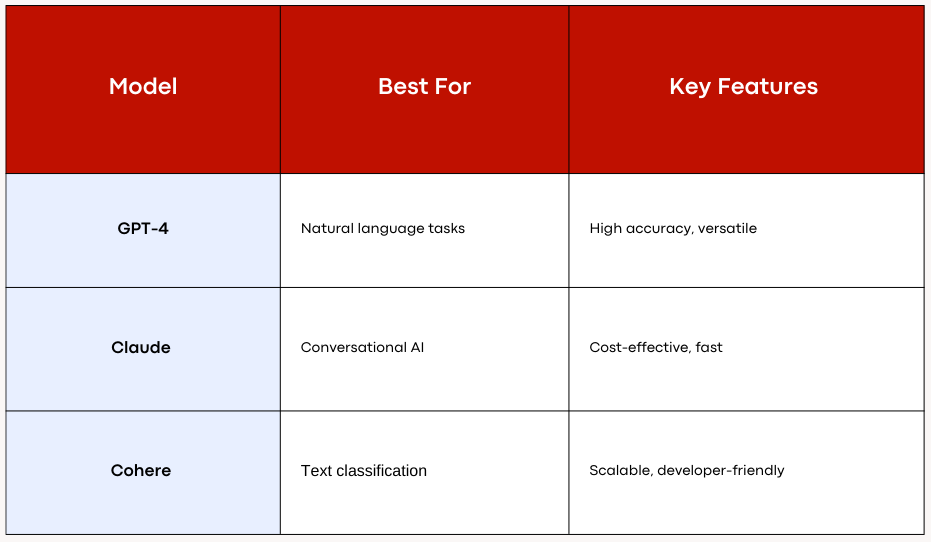
For example, GPT-4 excels in generating human-like text, while Claude is ideal for chatbots. Cohere shines in categorizing large datasets. We help you choose the best fit for your mvp.
Setting Up APIs and Databases
APIs and databases are the backbone of your backend. We use FastAPI for its speed and simplicity, combined with OpenAI for AI capabilities. A Pinecone vector database ensures efficient data storage and retrieval.
Here’s a 10-line OpenAI API integration example:
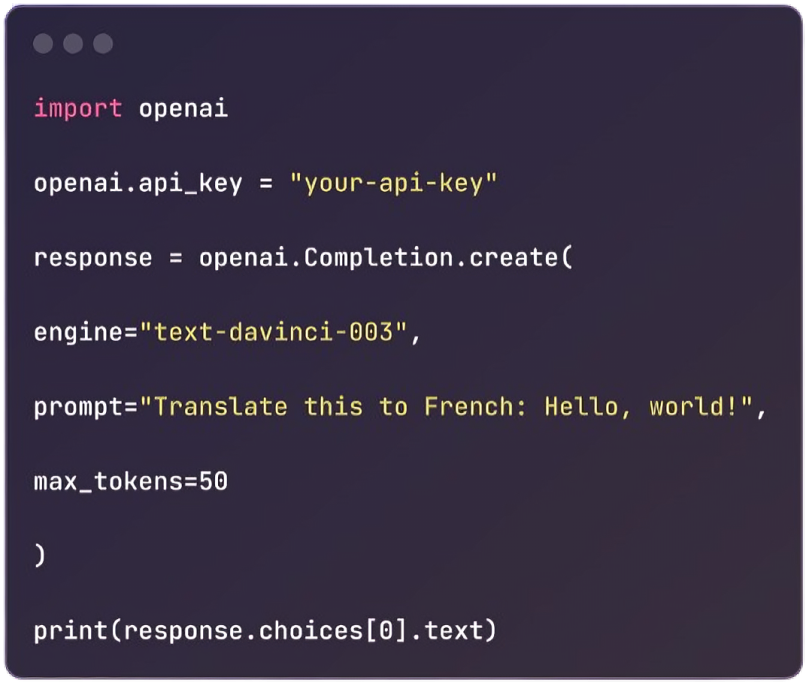
We also prioritize API security, especially for regulated industries like healthcare and fintech. Best practices include:
- Implementing OAuth 2.0 for authentication.
- Using HTTPS for encrypted communication.
- Regularly auditing API endpoints.
Cost optimization is another focus. Techniques like caching layers and async processing reduce expenses while maintaining performance. By the end of this phase, your mvp will have a solid backend and integrated AI capabilities, ready for the next steps.
Weeks 5-6: Designing the Frontend and User Flow
The design phase is where your product begins to take shape, blending functionality with user-centric aesthetics. During weeks five and six, we focus on creating a seamless user flow and intuitive design that enhances the overall experience. This phase ensures your mvp is both visually appealing and easy to navigate.
Creating a Simple and Intuitive UX
Simplicity is key to a successful mvp. We follow the 3-click rule to ensure users can access core features effortlessly. For example, an AI-driven job platform reduced navigation steps by 40% using this approach, improving user satisfaction.
We also employ the 5-second test to validate landing pages. This method ensures users grasp the product’s value instantly. Tools like Shadcn UI accelerate prototyping, allowing us to iterate quickly based on feedback.
Building Key Interaction Pages
Key pages like dashboards, forms, and settings are critical to the user journey. Using React and TailwindCSS, we achieve 40% faster UI development. This combination ensures a responsive and modern interface.
Here’s a comparison of tools we use for rapid prototyping:
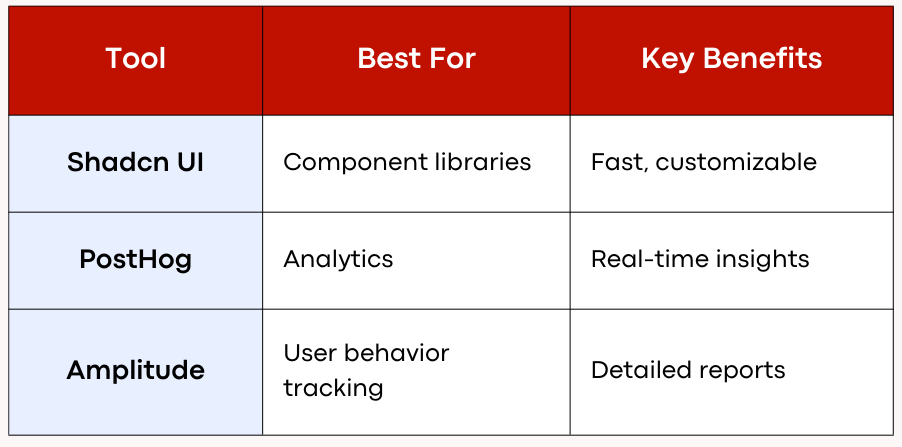
By integrating these tools, we ensure your mvp is not only functional but also optimized for long-term success. Let’s create a product that users love and investors trust.
Weeks 7-8: Testing and Preparing for Launch
The final stretch of development is where your product’s readiness is put to the test. This phase ensures your mvp meets user expectations and performs flawlessly. By focusing on critical metrics like 80%+ test coverage and fewer than four P2 bugs pre-launch, we guarantee a smooth transition to market.
Conducting User Testing
User testing is essential to validate your product’s features and flow. We use a UAT checklist with a severity prioritization matrix to identify and address issues efficiently. Tools like Sentry and LogRocket help track errors in real-time, ensuring a seamless experience for your users.
Feedback loop templates enable continuous iteration, allowing us to refine your product based on real-world insights. A/B testing frameworks are also employed to evaluate AI response accuracy, ensuring your mvp delivers consistent performance.
Setting Up Analytics and Feedback Tools
Analytics play a crucial role in understanding user behavior and improving your product. We integrate tools like PostHog and Amplitude to gather actionable data. These insights help us optimize your mvp for long-term success.
Deployment checklists for platforms like AWS, Vercel, and Supabase ensure a smooth launch. By the end of this phase, your product will be fully tested, optimized, and ready to make an impact.
Cost Breakdown: What Influences AI MVP Pricing
Understanding the financial aspects of building an mvp is crucial for effective planning. The total cost can vary widely based on several factors, from the choice of components to the complexity of the project. Here, we break down the key elements that shape your budget.
Key Cost Components
Building an mvp involves multiple stages, each contributing to the overall cost. Here’s a typical breakdown:
- Backend Development: 30% of the budget. This includes setting up databases, APIs, and server infrastructure.
- AI Integration: 25% of the budget. Costs here depend on the choice of models and the complexity of the AI tasks.
- Frontend Design: 20% of the budget. Creating a user-friendly interface is essential for a successful mvp.
Factors That Drive Costs Up or Down
Several factors can influence your budget. For example, using open-source models can reduce costs, while proprietary solutions may increase them. Regional differences in developer rates also play a significant role:
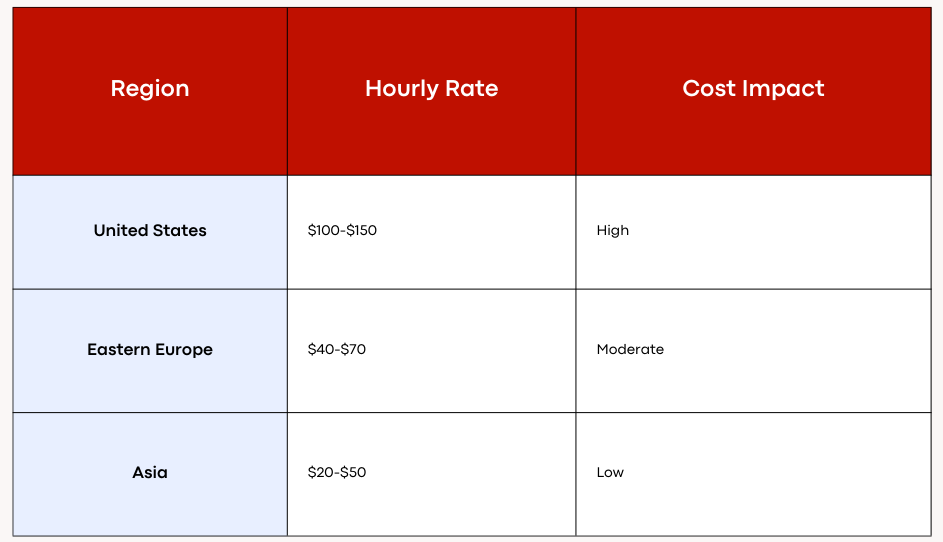
Hidden costs, such as LLM token usage, can also add up. We recommend monitoring these expenses closely to stay within budget. At Emveep, we offer both fixed-price and time-and-materials pricing models to suit your needs.
Choosing the Right Tech Stack for Your AI MVP
Selecting the right technology stack is a critical step in building a successful mvp. The tools and frameworks you choose will directly impact your product’s performance, scalability, and long-term strategy. At Emveep, we rely on a proven stack: FastAPI for backend, React for frontend, OpenAI for AI capabilities, Pinecone for vector databases, and Vercel for deployment.
Recommended Tools for AI, Backend, and Frontend
When it comes to development, the right tools can make all the difference. Here’s a breakdown of our go-to solutions:
- Backend: FastAPI offers speed and simplicity, making it ideal for rapid integration.
- Frontend: React ensures a responsive and modern user interface.
- AI: OpenAI provides versatile models for natural language tasks.
- Database: Pinecone excels in efficient data storage and retrieval.
We also compare serverless and monolithic architectures to help you choose the best fit. Serverless setups reduce infrastructure costs, while monolithic architectures offer greater control. For authentication, Auth0 and Clerk are both excellent options, with Clerk offering faster implementation speeds.
Why Simplicity Wins in MVP Development
Simplicity is key to a successful mvp. Complex components can slow down development and increase costs. By focusing on essential features, you can deliver a functional product faster and more efficiently.
We also emphasize CI/CD pipelines for seamless AI model updates. Disaster recovery plans for vector databases ensure your data remains secure. Additionally, using Supabase over custom backend solutions can save up to 50% in costs.
By choosing the right tools and prioritizing simplicity, you can build an mvp that delivers exceptional performance and sets the foundation for future growth.
Popular Tools and Frameworks to Speed Up Development
Efficiency in development hinges on leveraging the right tools and frameworks. By integrating proven solutions, you can accelerate execution and deliver a functional product faster. Let’s explore the components that can streamline your workflow.
OpenAI, LangChain, and Other Power Tools
OpenAI and LangChain are game-changers in modern development. LangChain, for instance, reduces RAG implementation time by 70%, making it ideal for document retrieval. Its pre-built templates simplify complex tasks, allowing you to focus on core features.
OpenAI’s versatile models excel in natural language tasks. Combined with tools like Stripe and Zapier, you can automate payment flows seamlessly. This integration not only saves time but also enhances performance.
How to Leverage Pre-Built Solutions
Pre-built solutions are a shortcut to success. Replit templates, for example, enable instant prototyping, reducing setup time significantly. GitHub offers 15 ready-to-use AI components, from chatbots to data analyzers, speeding up development.
When it comes to vector databases, Pinecone, Weaviate, and Chroma each have unique strengths. Pinecone excels in scalability, while Weaviate offers advanced search capabilities. Chroma is lightweight and easy to integrate, making it ideal for smaller projects.
By adopting these tools, you can streamline your flow and focus on delivering value. Let’s build a product that stands out in the market.
Case Study: How We Built an AI MVP in 45 Days
Real-world success stories often highlight the power of focused execution. In this case, we partnered with a hospital group to deliver a HIPAA-compliant mvp in just 45 days. The project addressed a critical problem: streamlining patient onboarding and query resolution.
Client Background and Problem Statement
The hospital group faced challenges in managing patient inquiries efficiently. Their existing system was slow, leading to delays in onboarding and query resolution. Our goal was to create a solution that improved performance while ensuring compliance with healthcare regulations.
Key requirements included:
- HIPAA-compliant architecture: We implemented AES-256 encryption to secure patient data.
- User role permissions: A matrix was designed to ensure compliance and restrict access based on roles.
- LLM fine-tuning: Proprietary medical data was used to enhance the model’s accuracy.
Steps Taken and Results Achieved
We focused on rapid development without compromising quality. Here’s how we achieved success:
- AWS infrastructure optimization: Cost-saving techniques reduced expenses by 20%.
- User-centric design: The solution improved onboarding speed by 30%.
- Post-launch improvements: The NPS score increased from 42 to 68, reflecting higher user satisfaction.
By the end of the project, the hospital group achieved an 80% query resolution rate, setting a new standard for efficiency. This case demonstrates how a well-executed mvp can deliver tangible results in record time.
Ready to Start? Contact Emveep for Your AI MVP Journey
Starting your journey with a clear strategy ensures long-term success. At Emveep, we guide you every step of the way, from refining your idea to launching a functional mvp. Our team of technical architects offers a free consultation to help you map out the best plan for your project.
Once you’re ready, our streamlined onboarding process gets you started in just 48 hours. We also provide a downloadable mvp blueprint PDF, complete with checklists, to keep your development on track. With a 92% client satisfaction rate, we’re committed to delivering results that exceed expectations.
Every mvp we’ve developed has launched within the promised timeframe, ensuring your time is well spent. Ready to take the first step? Reach out to us at info@emveep.com and let’s bring your vision to life.
FAQ
What is an AI MVP, and why is it important for startups?
An AI MVP, or Minimum Viable Product, is a streamlined version of your AI solution designed to test core features with real users. It’s essential for startups because it allows you to validate your idea quickly, reduce risks, and gather valuable feedback without a large upfront investment.
How long does it typically take to build an AI MVP?
Building a production-ready AI MVP usually takes between 8 to 12 weeks. This timeline balances speed and quality, ensuring you can test your idea with users while maintaining a focus on core functionality.
What are the key steps in developing an AI MVP?
The process includes sharpening your idea, building the backend and AI integration, designing the frontend, and testing before launch. Each step focuses on delivering a functional product that solves a specific problem for your users.
How do I choose the right AI model for my MVP?
Selecting the right AI model depends on your use case, data availability, and performance requirements. Tools like OpenAI and LangChain can help simplify integration and speed up development.
What tools are recommended for building an AI MVP?
Popular tools include OpenAI for AI capabilities, LangChain for workflow automation, and frameworks like React or Vue.js for frontend development. Leveraging pre-built solutions can significantly reduce development time.
How much does it cost to build an AI MVP?
Costs vary based on complexity, team size, and tools used. Key components include AI integration, backend setup, and user interface design. Keeping the scope focused helps manage expenses effectively.
What’s the best way to gather user feedback during MVP testing?
Use analytics tools like Google Analytics or Mixpanel to track user behavior and integrate feedback tools like Hotjar or Typeform. This data helps refine your product before a full-scale launch.
Why is simplicity crucial in MVP development?
Simplicity ensures you focus on solving the core problem without unnecessary features. It speeds up development, reduces costs, and makes it easier to iterate based on user feedback.
Can I build an AI MVP with a small team?
Yes, a small, skilled team can effectively build an AI MVP by leveraging the right tools and frameworks. Clear planning and prioritization are key to success.
How do I know if my AI MVP is ready for launch?
Your MVP is ready when it solves the core problem, provides a smooth user experience, and has been tested with real users. Feedback and analytics will guide further improvements.
Related Articles
See more articlesWeb Development
React Js DevelopmentNode Js DevelopmentVue Js DevelopmentNext Js DevelopmentLaravel DevelopmentPython DevelopmentRuby on Rails DevelopmentJava Spring Boot DevelopmentGolang Development.NET DevelopmentHave a question regarding your next project?
If you have any question about us or your next project, don't hesitate to contact us by chat or email.
info@emveep.com